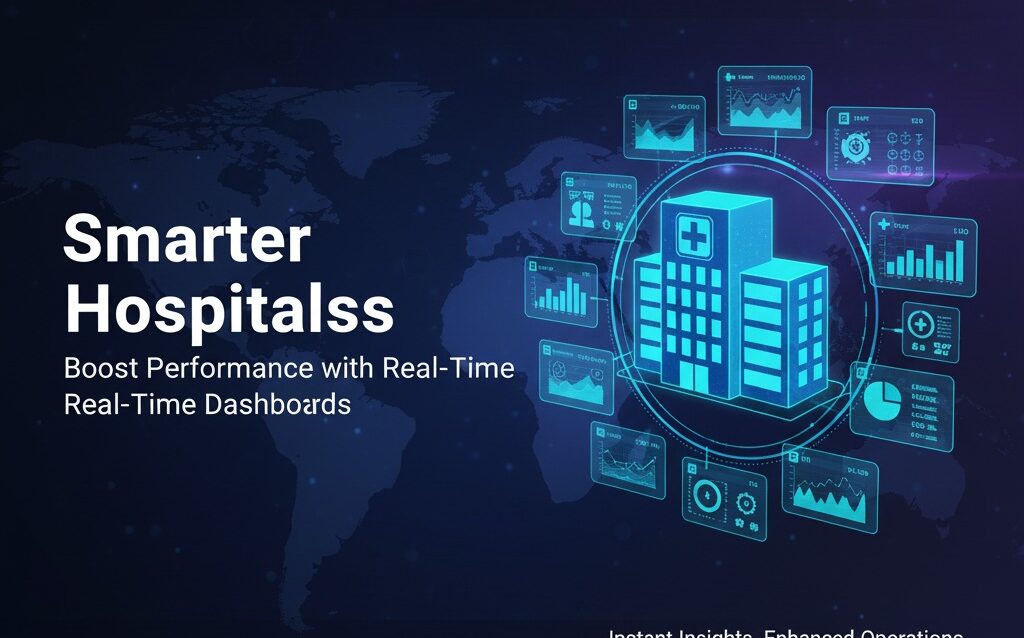
What if you could spot a hospital bottleneck crowded ERs, idle beds, or budget leaks instantly and fix it on the spot? Real-time dashboards make this a reality, giving hospital leaders a clear, live view of operations to boost care, cut costs, and stay ahead. In 2025, nearly three-quarters of hospital networks already use these tools to drive smarter decisions.
The Opportunity: Lead with Clarity
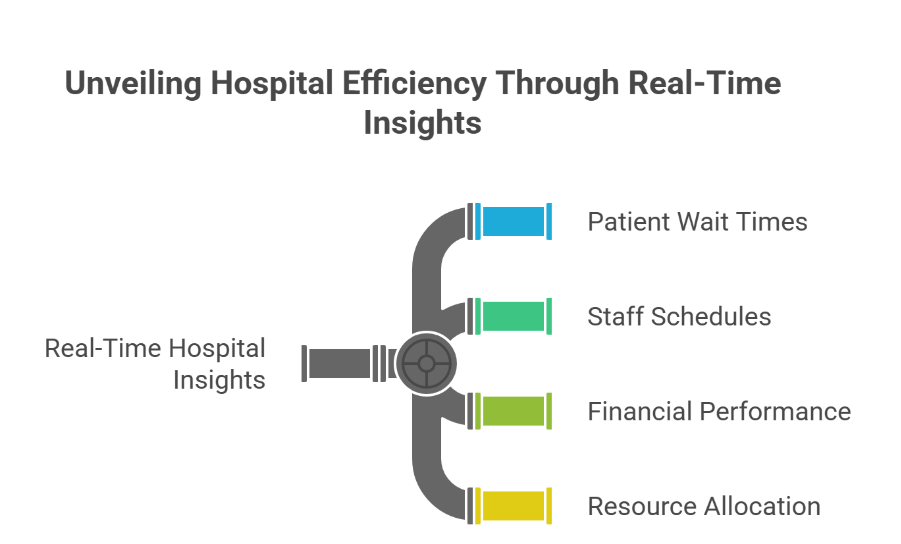
Hospitals thrive when leaders have instant insights. Real-time dashboards show patient wait times, staff schedules, and finances at a glance. This helps executives make quick, smart decisions to improve care and increase profits. For example, spotting an overworked department lets managers shift resources fast, ensuring patients aren’t left waiting. With clear data, hospital networks can stand out in a competitive healthcare field, delivering better care and stronger results.
The Challenges: What Holds Hospitals Back
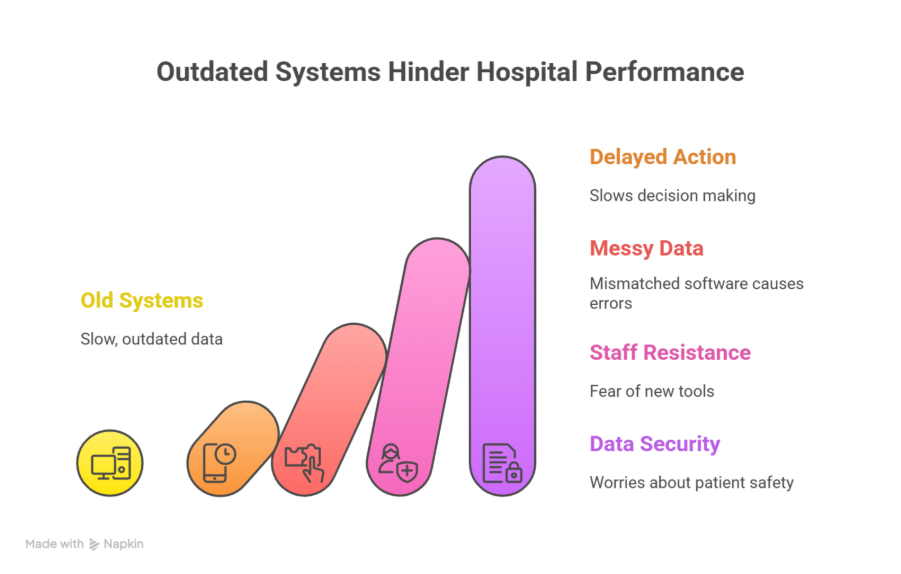
Running a hospital network is tough. Old systems churn out slow, outdated data, delaying action. Combining information from multiple hospitals like bed counts or surgery schedules is often messy due to mismatched software. Staff may resist new tools, fearing extra work or complex systems. Plus, live data brings worries about keeping patient information safe. In 2025, these hurdles can slow operations, frustrate patients, and weaken performance, leaving hospitals struggling to keep up.
How Dashboards Help: A Real-World Example
Real-time dashboards are like a live map of your hospital’s pulse, showing what’s happening and guiding next steps. Take a regional hospital network with three sites one urban, two suburban. Last year, their urban ER faced hour-long wait times during evening peaks, frustrating patients and staff. Their old system only updated data daily, leaving managers blind to real-time problems.
With a real-time dashboard, the network started tracking wait times, bed availability, and staff schedules instantly. Powered by AI, the dashboard spotted a trend: the urban ER was slammed every evening, while suburban sites had spare beds. It suggested moving two nurses from a quieter suburban hospital to the urban ER during peak hours.
It also flagged surgical delays caused by a shortage of portable X-ray machines at the urban site. The network quickly shifted one machine from a suburban facility, cutting delays by 30% and easing ER pressure.
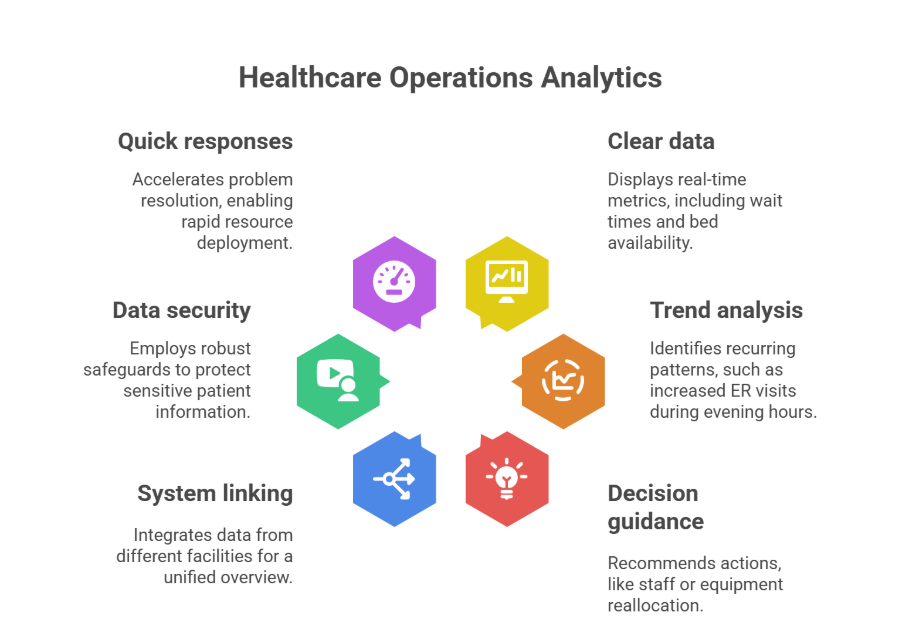
This worked because dashboards focus on key areas:
-
Clear data: Shows live metrics like wait times or bed counts.
-
Trend analysis: Spots patterns, like evening ER surges.
-
Decision guidance: Suggests fixes, like reassigning staff or equipment.
-
System linking: Unifies data across facilities for a complete view.
-
Data security: Protects patient info with strong safeguards.
-
Quick responses: Speeds up solutions, like moving resources fast.
This approach turned chaos into clear, data-driven action, improving care and efficiency.
“We manage the movement of patients, staff and assets to make healthcare organizations more efficient and more productive.”
~ NHS executive (Financial Times)
Why It Matters: Real Benefits for Hospitals
Dashboards deliver practical wins. In the example, clear data showed the urban ER’s overload, letting managers act before waiting time ballooned. Trend analysis predicted busy evening hours, so extra staff were scheduled in advance.
Decision guidance ensured resources, like the X-ray machine, went where needed most. Unified systems gave all sites a shared view, avoiding confusion. Secure data handling kept patient trust intact, and fast fixes improved satisfaction.
These benefits apply broadly. Dashboards help hospitals spot overworked units, preventing staff burnout. They predict busy periods, like flu season, for better planning. They guide resource allocation, ensuring beds and tools are ready. Linked systems save time across networks.
Secure data protects reputations, and quick responses boost care quality. With 73% of hospital networks using dashboards, they’re proven to lift staff morale, patient outcomes, and profits.
The Future of Dashboards: What’s Next
By 2025, dashboards could do even more. Imagine tracking not just wait times but patient recovery rates or staff wellness to reduce turnover.
Advanced AI might predict equipment breakdowns or patient surges based on local health trends, like early signs of a new illness. For instance, a dashboard could alert a hospital to stock extra ventilators if it detects a rise in respiratory cases nearby.
Reaching this future takes work. Staff need training to use dashboards confidently, learning to read data and act on insights. Upgrading systems to handle real-time data across facilities is essential, especially for older hospitals. Privacy rules, like those guarding patient records, will shape dashboard design.
Budgets matter too were new tools cost money, but the savings from better efficiency can make it worthwhile. The potential is enormous: a hospital network that runs with precision, adapts to challenges, and leads the way in healthcare.
Get Started: Take Control of Your Hospital Network
Real-time dashboards turn hospital challenges into strengths. In the example, they cut ER wait times and reduced surgical delays with actionable insights. Your hospital can do the same.
Don’t let outdated systems slow you down. Explore dashboards, engage your teams, and start building an operation that’s efficient, resilient, and patient-focused. With the right tools, hospitals can lead the future of healthcare not just keep up with it.