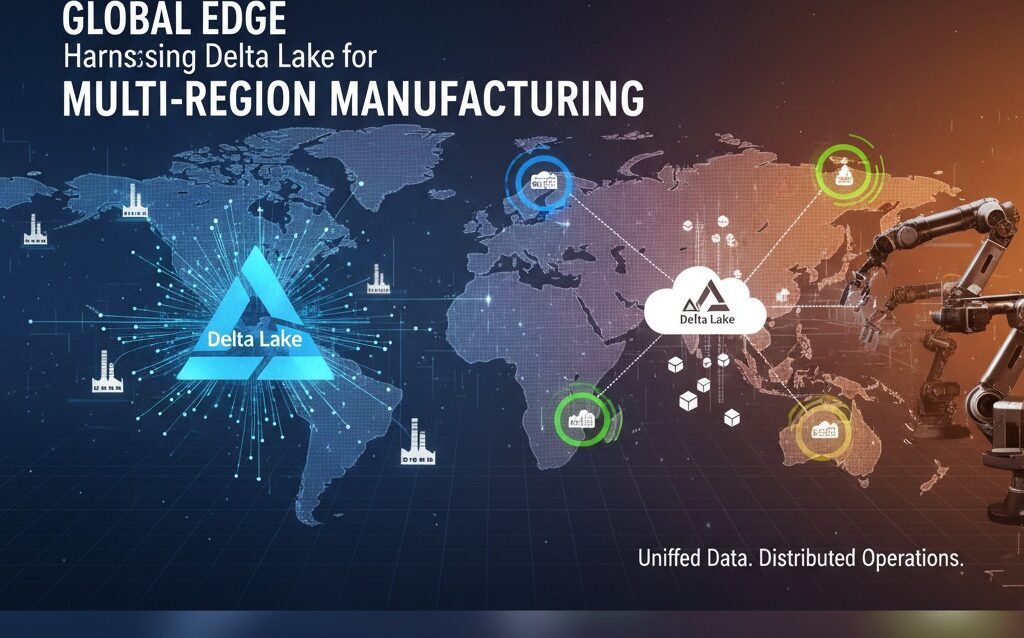
In today’s hyper-connected world, manufacturing and distribution companies are no longer confined to a single region. The ability to operate seamlessly across borders is a game-changer, and Delta Lake is at the forefront of this transformation.
By 2025, nearly 70% of multi-region manufacturers leverage advanced data lake solutions like Delta Lake to unify operations, streamline processes, and drive innovation.
The Power of a Unified Global Network
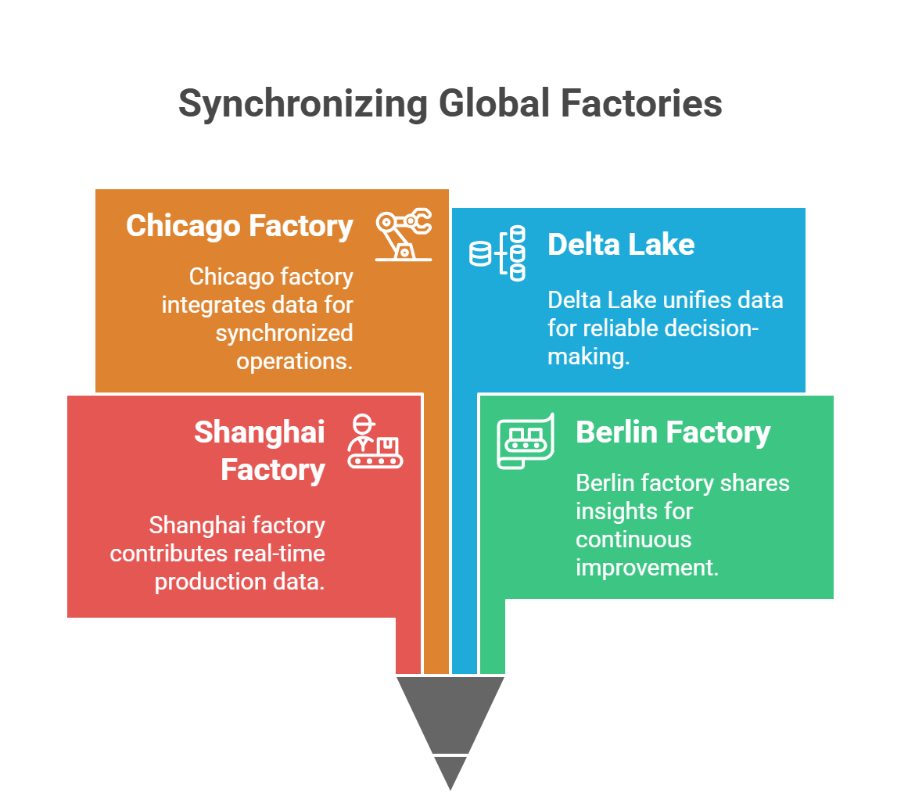
Imagine your factories in Shanghai, Berlin, and Chicago functioning as a single, synchronized machine. Production data flows seamlessly, enabling each plant to learn from the others in real time. Delta Lake makes this possible by consolidating data from diverse regions into a single, reliable source of truth.
This connectivity accelerates production cycles, enhances decision-making, and unlocks new opportunities for innovation. Delta Lake’s ability to unify disparate data sources empowers manufacturers to operate as a cohesive network, driving competitive advantage in a fast-paced market
Overcoming Global Manufacturing Challenges
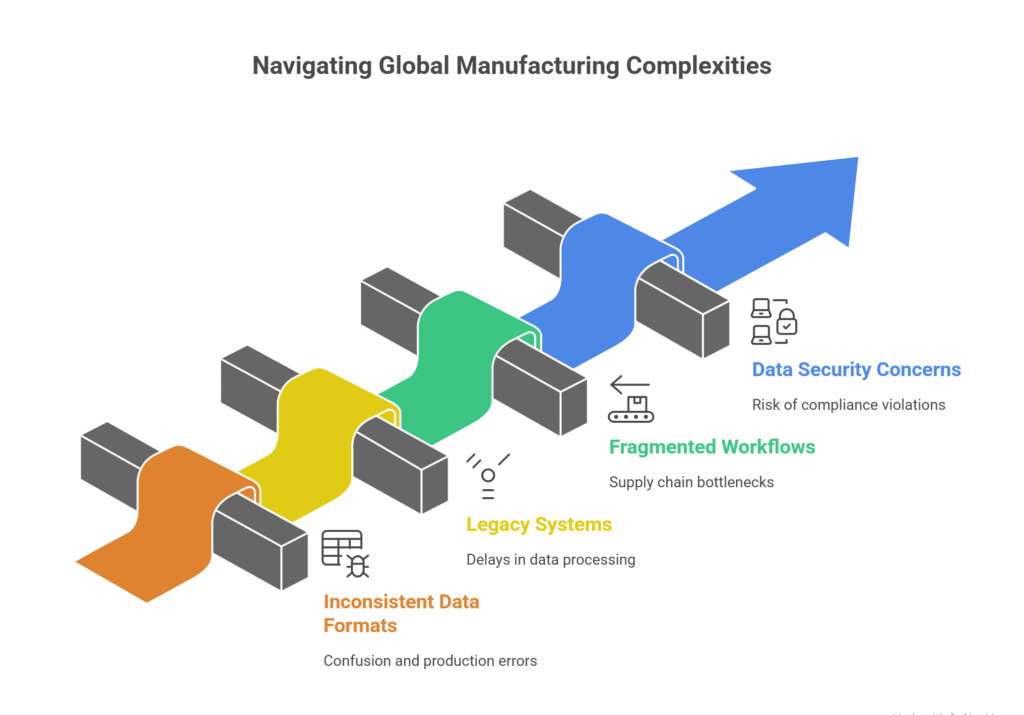
Operating across multiple regions presents unique hurdles. Factories often rely on inconsistent data formats, legacy systems, and fragmented workflows, leading to confusion and delays. Data security concerns, especially when sharing across borders, add complexity. These challenges result in production errors, supply chain bottlenecks, and missed market opportunities.
For example, a global automotive manufacturer might struggle with mismatched inventory data between plants in Asia and Europe, causing overproduction or stockouts. Similarly, compliance with regional regulations like GDPR in Europe or CCPA in California can complicate data management. Without a robust solution, these issues erode efficiency and profitability.
How Delta Lake Transforms Operations
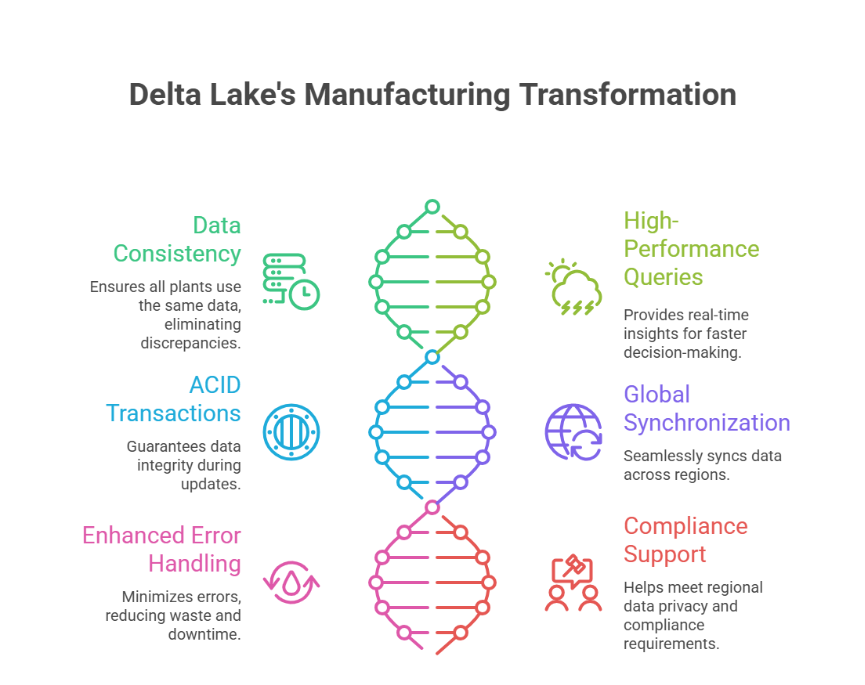
Delta Lake, built on open-source technology and championed by companies like Databricks, addresses these challenges head-on. Here’s how it transforms multi-region manufacturing:
-
Data Consistency and Versioning: Delta Lake ensures all plants work with the same data by maintaining version control. This eliminates discrepancies caused by different formats or updates.
-
High-Performance Queries: With optimized query execution, teams get real-time insights, enabling faster responses to market demands or operational issues.
-
ACID Transactions: Delta Lake guarantees data integrity with ACID (Atomicity, Consistency, Isolation, Durability) transactions, preventing corruption or loss during updates.
-
Global Synchronization: It seamlessly syncs data across regions, ensuring every plant operates with the latest information.
-
Enhanced Error Handling: Delta Lake’s robust architecture minimizes errors, reducing waste and downtime.
-
Compliance Support: Built-in features help meet regional data privacy and compliance requirements, simplifying adherence to laws like GDPR or CCPA.
By streamlining complex global setups, Delta Lake empowers manufacturers to focus on innovation rather than firefighting operational issues.
By 2032, the data lake market is forecasted to grow to $28.15 billion, with a CAGR of 18.1% from 2024, fueled by Delta Lake’s ability to unify diverse data sources for advanced analytics in industries like manufacturing.
By Dataintelo.com
Why Delta Lake Matters
The impact of Delta Lake extends beyond technical solutions—it builds trust in data. Accurate, accessible insights enable teams to make informed decisions quickly. Synchronized plants streamline production, reducing costs and improving output quality. Enhanced error handling minimizes waste, while compliance support ensures regulatory alignment. Most importantly, Delta Lake scales effortlessly, supporting manufacturers as they expand into new markets.
Companies like Toyota and Caterpillar have seen measurable benefits from adopting data lake solutions, including up to 20% reductions in operational costs and 15% improvements in production efficiency, according to industry reports. Delta Lake’s ability to deliver reliable, real-time data makes it a cornerstone of modern manufacturing.

The Role of Domain-Driven Design, Lakehouse, and Data Mesh
Delta Lake’s power is amplified when paired with modern architectural paradigms like domain-driven design (DDD), lake houses, and data mesh. These approaches are reshaping enterprise architectures:
- Domain-Driven Design (DDD): DDD aligns data structures with business domains, ensuring that manufacturing data reflects real-world processes. For example, separating supply chain and production data into distinct domains improves clarity and usability.
- Lakehouse: Combining the flexibility of data lakes with the reliability of data warehouses, Lakehouse’s like Delta Lake provide a unified platform for structured and unstructured data. This enables advanced analytics and AI without complex ETL pipelines.
- Data Mesh: This decentralized approach distributes data ownership across teams, fostering collaboration and agility. In a global manufacturing context, data mesh ensures that regional teams can access and manage their data while contributing to a centralized Delta Lake repository.
Together, these paradigms create a flexible, scalable architecture that supports the dynamic needs of global manufacturers.

The Future of Delta Lake in Manufacturing
Looking ahead, Delta Lake’s potential is limitless. By 2025, integration with AI and machine learning could enable predictive maintenance, identifying equipment issues before they disrupt production. Real-time supply chain tracking could optimize inventory and reduce delays.
However, realizing this potential requires investment in new skills, robust infrastructure, and compliance with evolving privacy laws. While upfront costs may be a consideration, the long-term benefits—improved efficiency, reduced waste, and enhanced competitiveness are undeniable.
Take the Next Step
Delta Lake is more than a technology it’s a strategic advantage for multi-region manufacturers. By unifying data, streamlining operations, and enabling innovation, it helps companies stay ahead in a competitive landscape.
As 2025 unfolds, now is the time to harness Delta Lake’s power to build a connected, efficient, and future-ready manufacturing network.